
Derniers articles

Si vous surfez le web tous les jours, que vous téléchargez des logiciels, lisiez vos mails ou faites du shopping en ligne, vous êtes plus à risque de vous ...

"VPS", c'est l'abréviation de l'Anglais "Virtual Private Server", ou serveur virtuel privé en français. Il s'agit d'un serveur dématérialisé qui voute moins ...

Chaque ordinateur devrait être équipé d’une protection antivirus. Il s’agit d’un logiciel de sécurité informatique qui protège la machine en temps réel contre ...

Un VPN (pour Virtual Private Network) est un programme qui vous permet de sécuriser votre connexion, en masquant vos données personnelles et en vous localisant ...

Quand vous effectuez des opérations financières en ligne, via des plateformes de trading ou simplement lorsque vous effectuez des achats, il est capital de ...

Utiliser un VPN gratuit représente toujours une part de risque. En effet, un service que vous ne payez pas sera toujours de moins bonne qualité. En matière de ...

PureVPN a beaucoup fait parler de lui en s’auto-proclamant le VPN le plus rapide sur le marché. Autant dire qu’après avoir testé ce fournisseur pendant un ...

Avant de choisir son VPN, il y a plusieurs critères à prendre en considération, notamment la rapidité de la connexion, l'étendue du serveur ou encore le tarif ...
VyperVPN fait partie des acteurs incontournable des réseaux privés virtuels, notamment parce qu’il propose des fonctionnalités originales. VyperVPN a en effet ...

Ces derniers temps, on aurait presque l'impression qu'un nouveau VPN sort tous les mois. Le petit dernier, c'est SurfShark, une solution nettement moins ...

Yoga VPN a réussi à séduire plus de 5 millions d'utilisateurs en un temps record. Il s'agit d'un service VPN gratuit présenté comme le "ultra performant" par ...
Si la protection de votre anonymat en ligne fait partie de vos bonnes résolutions en 2018, vous êtes sur la bonne page. Notre comparatif des meilleurs ...

Express VPN est un réseau privé virtuel très qualitatif Il brille notamment par la simplicité d'utilisation de son interface et son dispositif de sécurité qui ...

VPN Gate n'est pas un service VPN ordinaire. C’est un réseau de serveurs distribué gratuitement et géré par des bénévoles. Par exemple, ce réseau virtuel privé ...

Nord VPN est un réseau virtuel privé basé au Panama, ce qui lui permet de protéger l’anonymat de ses utilisateurs en n’enregistrant aucun des journaux de ...

Qu'il est loin le temps où l'on se réjouissait à l'idée de pouvoir mettre une émission en direct sur pause ! Depuis quelques années, l'info-divertissement ...
CyberGhost est un VPN qui a très bonne réputation auprès des internautes, notamment en raison de sa transparence et de la sécurité qu'il offre à ses ...

Vous appréhendez le fait d'installer un VPN ? Pas de panique, avec ce guide pratique, vous n'aurez qu'à suivre les étapes. Du téléchargement à la première ...

Nous sommes nombreux à ne plus zapper ! Aujourd'hui, la magie du VOD nous permet en effet de choisir un film, une série ou un documentaire parmi un large ...

Avec la VOD, finit de zapper comme une âme en peine de divertissement ! Avec un simple abonnement, dont le coût ne dépasse pas les 10€ /mois, vous pouvez ...

Aujourd'hui l'utilisation d'internet suggère plusieurs défis. Le plus connus de tous est sans aucun doute la protection contre les hackers. Dernièrement on ...

Avast est sans aucun doute l'un des antivirus les plus populaire au monde. Et depuis qu'il intègre un VPN, des milliers d'internautes ont choisit de lui faire ...
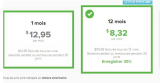
Si vous cherchez une solution qui vous protège des cyber attaques et vous aide à contourner les censures géographiques, alors le VPN est ce qu'il vous faut. Si ...

Trouver de bonnes offres de vol peut être un véritable défi. Les sites Web de comparaison de vols peuvent être utiles, mais étant donné que les prix fluctuent ...

Depuis quelques années, la popularité des VPN ne cesse de grimper. Présentés comme la solution ultime pour naviguer de manière sûre et anonyme, les VPN ...
- 1
- 2
- 3
- …
- 7
- Page suivante »
